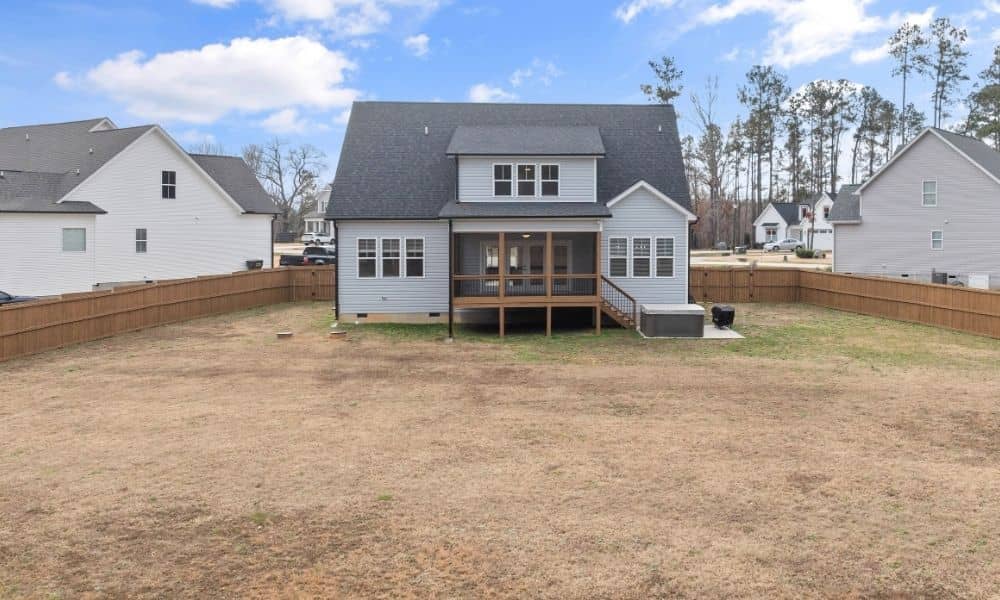
The old fence is leaning. A board fell last week. Now you want a new one in its place. It feels simple. You pull the old posts, dig new holes, and set the fence where it always stood. But the old fence may not sit where you think. That one wrong guess can cost you time, money, and a fight with your neighbor.
Before you build, find and confirm your property line markers. They tell you where your land really ends. Get that right, and the rest of the job goes smoothly.
Why Fence Replacement Should Start With Property Line Markers
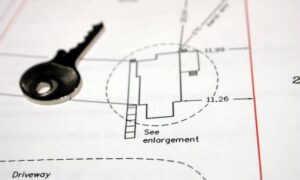
A property line marker is a small metal pin or pipe set in the ground by a surveyor. It shows a corner of your lot. These markers are the legal record of where your boundary runs. A fence is not.
Many people build a new fence along the old one and never check the line. That works fine, until it doesn’t. If the old fence sat a foot over the line, your new fence copies the mistake. Now the error is fresh, obvious, and yours.
Starting with the markers protects you in three ways. It keeps your fence on your own land. It keeps you clear of setback rules. And it gives you proof if a neighbor ever questions the line. A little checking up front saves a big headache later.
Existing Fence Lines May Not Match Property Line Markers
Old fences move over time. Posts shift. Owners replace sections and guess at the line. A fence built thirty years ago may have been off from day one. Nobody noticed, so it stayed.
There is also a legal risk worth knowing. In some cases, a fence in the wrong spot for many years can affect who has a claim to that strip of land. The rules for this vary by state, county, and each property’s history. That is a reason to check the line now, not later.
So do not trust the old fence as your guide. Treat it as a rough hint at best. The pins in the ground are the real answer. Confirm them before you spend a dollar on new materials.
What to Check When Property Line Markers Are Visible
Sometimes the markers are easy to find. You may see a metal cap or pin flush with the soil near a corner. If you can see them, a few checks help you use them well.
Walk each corner of the lot and look for a marker at every turn. Here is what to confirm:
- All corners are found, not just one or two
- The markers line up with your deed and plat map
- A straight line between two markers matches where you plan to build
- Nothing has been moved by digging, mowing, or old work
Pull a string between two corner markers to see the true line. This shows you the real edge of your land. If the string runs far from the old fence, stop and look closer. That gap is exactly what you want to catch before building, not after.
Take photos of each marker and note where it sits. This gives you a simple record. It also helps your fence installer set posts in the right place.
When Missing Markers Affect Fence Replacement Plans
Markers go missing all the time. They get buried under grass. They get pulled out during landscaping. Sometimes they were never set at all. When you cannot find them, guessing is the worst thing you can do.
A missing marker changes your plan in a few ways. You cannot confirm the true line on your own. You risk building over the boundary. And you may miss a required setback from the edge of your lot. Each of these can force you to move the fence and pay twice.
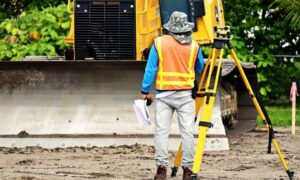
This is the point to bring in a licensed land surveyor. A surveyor can locate the buried markers or set new ones based on the legal record. The work is fast for a pro and gives you a solid line to build from. It costs far less than tearing out a finished fence.
Try not to rely on a neighbor’s memory or an old survey you found in a drawer. Records can be out of date. Only a current, marked line gives you real footing. Confirm it before the posts go in.
Confirm the Fence Layout Before Construction Begins
Once you know where the line sits, plan the fence around it. Most rules ask you to set a fence a short distance inside your own boundary, not right on it. This keeps every post and board on your side. It also avoids trouble if the line has any small margin of doubt.
Check your local setback and permit rules before you dig. These vary by town, county, and even by neighborhood group. A quick call to your permit office can save you a rebuild. Confirm any easement too, since a utility strip may block where you can build.
It also helps to talk with your neighbor early. Show them the marked line and your plan. Most disputes start from surprise, not from the fence itself. A short chat now keeps the peace later.
When the line is clear and the layout is set, building goes fast. Your installer knows the exact path. Your posts land where they should. And you get a fence that stands on solid, proven ground.
Frequently Asked Questions
How do I find my property line markers?
Start at the corners of your lot and look for a metal pin, pipe, or cap near ground level. A metal detector can help when a marker is buried under grass or soil. Your plat map or deed shows roughly where each corner should be. If you still cannot find them, a licensed surveyor can locate or reset them for you.
Can I replace my fence in the same spot as the old one?
You can, but only after you confirm the old fence sat on the correct line. Many old fences are off by a few inches or more, and copying that error can cause real problems. Check your markers first and pull a string between corners to see the true line. If the old fence matches, you are clear to build in the same path.
What happens if I build my fence over the property line?
A fence over the line can spark a dispute with your neighbor and may need to be moved at your cost. In some cases, a long-standing fence in the wrong spot can affect claims to that strip of land. The exact rules vary by state, county, and each property’s history. Confirming the line before you build is the simplest way to avoid all of it.