
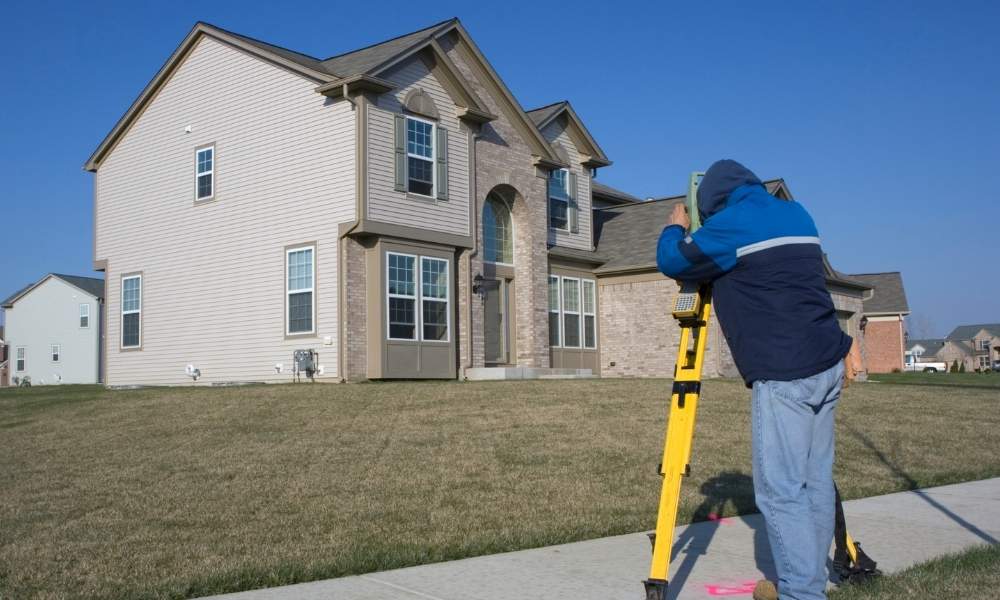
When you buy a home, you will hear about surveys. But there are many different types of land surveys. Each type does something different. Understanding the main types of land surveys helps you pick the right one. This guide explains each type in simple terms.
The Main Types of Land Surveys
Boundary Survey
A boundary survey finds exactly where your property starts and stops. The surveyor marks your property corners with metal rods or concrete. These marks can be found later.
This survey shows your property lines. It shows how much land you own. It tells you if your neighbor’s structures are on your land. It does not show hills or valleys.
You need this survey before you build a fence. You need it before you add a deck. You need it before you add a room. You need it if you fight with a neighbor about property lines. Get this survey before you build. Do not wait until after there is a problem.
Mortgage Location Survey
When you buy a home with a loan, the bank might ask for a mortgage location survey. This survey shows where your house sits on your property. It is faster than a boundary survey.
This survey uses documents and rough measurements. It tells the bank your house is in the right place. But it can be off by five to ten feet. It is not very accurate.
Only use this survey when you get a loan for a house. Do not use it if you plan to build a fence or add something new. The measurements are not accurate enough.
Topographic Survey
A topographic survey shows the shape of your land. It shows hills, valleys, and flat areas. It shows trees, streams, and buildings. It includes property lines too.
Engineers use this survey to plan buildings. Use it if you want to build on a hill. Use it if you want to add a pool or patio. This survey helps show how water flows on your land.
This survey takes longer than a boundary survey. It also costs more. But it gives important information for building projects.
ALTA Survey
ALTA stands for American Land Title Association. This is the most complete survey. It shows property lines, buildings, easements, and flood zones.
Title companies use this survey for business properties and big deals. It takes a long time because the surveyor must look at old records. Lenders want this survey to protect their money.
As-Built Survey
An as-built survey shows what was actually built after construction is done. It checks if the building matches the original plans.
You need this survey after you build an addition. Insurance companies may ask for it. Lenders may want it before they pay the builder.
Construction Staking Survey
Before workers start building, the surveyor marks the exact spots on the ground. The surveyor places stakes to show where the building goes.
This tells workers where to dig. Without these marks, workers might dig in the wrong spot. This leads to buildings in the wrong place.
Site Plan Survey
A site plan survey combines two types. It shows property lines and the shape of the land. Architects use it to design custom homes. Local governments often require it before they say you can build.
Subdivision Survey
This survey divides one property into smaller pieces. It creates new property lines and descriptions. Use it when you want to sell part of your property.
How to Choose the Right Survey for Your Situation
Think about what you want to do with your property.
Are you building or installing something near your property edges? Get a boundary survey. This is the most important survey.
Are you building a house or making big changes? Get a boundary survey and a topographic survey. One shows your property lines. The other shows the shape of your land.
Are you buying a business building? Get an ALTA survey. It shows everything.
Did you just finish building something? Get an as-built survey. It documents what you built.
Not sure? Ask your architect or engineer. They will tell you what you need.
What Happens When You Choose Wrong
Choosing the wrong survey costs money. If you use a mortgage location survey to plan a fence, you might build on your neighbor’s property. Then you have to tear down the fence. This costs thousands of dollars.
Building without checking property lines creates problems. Your structure might be in the wrong place. You might have to move it. This is very expensive.
Not getting the right survey for your land shape causes problems. Water drains wrong. Your building foundation cracks. Fixing this costs ten thousand dollars or more.
Key Points to Remember
Different surveys do different things. A boundary survey shows where your property is. A topographic survey shows the shape of your land. An ALTA survey shows everything for big deals.
The most important rule is simple. Get a boundary survey first. Do this before you build anything. It stops big problems later.
Think about what you plan to do with your property. Choose the survey that matches your needs. This saves money and prevents problems.